How to Open a Dispensary: A Step-by-Step Guide for Entrepreneurs
The cannabis industry is flourishing, and with legalization spreading across numerous states, it’s the perfect opportunity for entrepreneurs to enter the market. If you’re considering opening your own dispensary, you’re stepping into a complex yet promising space. However, breaking into the cannabis business requires a thorough understanding of regulations, strategic planning, and effective execution.
This comprehensive guide takes you through how to open a dispensary, equipping you with the knowledge to turn your business vision into reality.

Understanding the Current State of the Cannabis Market
The legal cannabis market is experiencing rapid growth. The global legal marijuana industry is projected to be worth over $100 billion by 2026, driven by the increasing legalization of both medical and recreational marijuana. States such as Illinois, California, and Colorado have already reported billions in cannabis sales, showcasing the significant demand for green products.
For entrepreneurs, understanding the current landscape is critical. Consumer trends point to a growing preference for diverse products, including edibles, tinctures, and concentrates. Staying informed about these shifts can help you position your dispensary to meet consumer needs effectively.
The legal cannabis market is experiencing rapid growth. The global legal marijuana industry is projected to be worth over $100 billion by 2026, driven by the increasing legalization of both medical and recreational marijuana. States such as Illinois, California, and Colorado have already reported billions in cannabis sales, showcasing the significant demand for green products.
For entrepreneurs, understanding the current landscape is critical. Consumer trends point to a growing preference for diverse products, including edibles, tinctures, and concentrates. Staying informed about these shifts can help you position your dispensary to meet consumer needs effectively.
Why Start a Cannabis Business?
Opening a dispensary offers immense opportunities:
-
High Demand
With the growing acceptance of medical and recreational cannabis across multiple states and countries, dispensaries are seeing a surge in demand. Consumers are increasingly looking for high-quality products for health, wellness, and leisure, creating a constant need for reliable, accessible dispensaries.
-
Job Creation
The cannabis industry is projected to create thousands of jobs across various sectors, including cultivation, retail, logistics, and marketing. This growth not only provides employment opportunities but also contributes to local and national economies.
-
Strong ROI Potential
Entrepreneurs who navigate the complex regulatory landscape can make big returns on their investments. With proper business planning, branding, and compliance, dispensaries can tap into a rapidly growing market with high-profit margins.
Navigating the Licensing Process
Types of Licenses for Cannabis Dispensaries
Understanding the type of license you need is the first step in legally operating your dispensary. Licenses vary by state, but typically include:
- Medical Marijuana Licenses for selling to patients.
- Recreational Marijuana Licenses for adult-use cannabis.
- Optional licenses for cultivation, processing, and delivery.
Each license comes with its own set of requirements that vary per state. Some states only offer one type of license for entrepreneurs while some may have different names for their medical cannabis licenses. Be sure to check your state’s cannabis regulations for more information and ensure that you’re on the right track!
Eligibility and Qualifications
Here are the general qualifications to apply for a license:
Be at least 21 years old and a state resident
Pass background checks
Show proof of financial capability and compliance knowledge
Additionally, laws often require a detailed business plan, so ensure your strategy is solid before submitting your application. In the following sections, we’ll show you the general steps in creating a business plan to help you prepare.
The Application Process
Each state’s licensing application procedure is different. However, it typically involves:
- Submitting an Application with supporting documents, including financials, proof of location, and a compliance plan.
- Review and Approval by state regulatory bodies, which can take several months.
- Paying Fees—these can range from $5,000 to $20,000 depending on your state.
Ensure that your license application process is detailed and compliant to avoid delays. Additionally, most licenses are only valid for one year so make sure you renew your license before it expires.
Planning Your Cannabis Business
Forming a Business Entity
You can register your cannabis business as either an incorporation or a limited liability company (LLC).
An incorporation describes a corporate entity which means there is a separation of the company assets from the assets of the investors and owners of the company. This is separation allows for broader funding and shareholder options.
Meanwhile, an LLC is the easiest way to structure a business to protect any personal assets that you have in case your business gets sued. Companies registered as LLCs can be owned by one person (single-member LLC) or a group of people (multi-member LLC). Registering as an LLC allows for more flexibility in taxes and liability protection.
Whichever business entity you choose must be registered with the state alongside obtaining any necessary licenses and permits. Additionally, prospective dispensary owners must also obtain an Employer Identification Number (EIN) from the IRS.
Writing a Business Plan
A clear and comprehensive business plan is fundamental for success since it will be used to secure the necessary financial resources. In general, your business plan should include the following:
- The physical location of your dispensary
- Funding plan, or the source of your startup and ongoing capital
- Sourcing plan for procuring cannabis products
- Revenue projections
- Estimate or actual number of employees
- Diversity and equity plans
- Marketing plan
- Safety and security plan
- Technology plan
- The insurance company you will be opting for
- Other relevant information you want to document
Some states may not require a business plan when it comes to opening a dispensary. Review your area’s dispensary business laws and regulations to ensure that you have the complete documents and requirements before proceeding with your application.
Finding the Right Location
Location is key to your dispensary’s success. While a convenient location can make your business, an inaccessible location can prevent customers from visiting your store. Additionally, in opening a dispensary, certain regulations must be followed. Make sure your property:
- Meets zoning laws and isn’t within restricted distances from schools or parks.
- Is accessible to customers and located in a high-traffic area.
- Can accommodate the necessary security and storage requirements.
Aside from meeting state laws and regulations, you also have to get intimately familiar with the area where you want to open your dispensary. You have to keep a finger on the pulse of the communities you will operate in and know your potential customers. For example, if an area has 100,000 people and allows two dispensaries, that’s important. But if the neighboring town, which also has 100,000 people, doesn’t have any cannabis stores, that’s a chance you might want to grab.
Designing and Building Your Dispensary
Creating a Safe and Compliant Space
Your new marijuana dispensary must also prioritize safety and compliance. This includes designing secure storage areas for cannabis products, implementing state-required handling systems, and installing security cameras, alarms, and restricted access points.
Additionally, you should also choose the right layout for your cannabis dispensary. Having a design that balances aesthetics, functionality, and a secure store inventory will elevate your customers’ shopping experience. It will also make it easier for you to track, audit, count, and fill orders. Here are some factors to consider when it comes to your marijuana dispensary’s layout and design:
- Flexibility: Can you add an additional terminal to your cannabis store during a busy day? Or is your store small and limited?
- Growth: Do you have room for growth? Think about the future and how your current space can transform to handle your business as it grows or as the market changes.
- Future recreational opportunities: You may have to change how your store looks and operates based on the trend of cannabis legalization such as going from a medical cannabis dispensary to a recreational one.
Construction and Accessibility Requirements
Beyond layout and design, your dispensary building must adhere to local building codes for ventilation, electrical systems, and fire safety as well as accessibility requirements stipulated by the Americans with Disabilities Act (ADA). This includes accessible entrances and public areas, usable doors, access to and through a covered dwelling, reachable light switches, thermostats, and electrical outlets, and more.
Additional requirements may apply per state so make sure you review your area’s cannabis laws and regulations.
Security Measures
Cannabis dispensaries often handle large quantities of cash and valuable products, making them vulnerable to theft, break-in, robbery, and shoplifting. Additionally, dispensaries are also at risk of hacking, scams, and other cyber attacks. This is why both physical and cyber security measures must be implemented so you can protect your customers, employees, and products.
Physical security
- Create a perimeter around your dispensary with video surveillance systems, adequate lighting, and fencing.
- Secure the inside of your building with reinforced glass, alarm systems, locks, and secure storage for your products.
- Hire a security officer to help deter crime and reduce internal theft.
- Run background checks on your dispensary staff, follow best practices, and create a culture of respect and trust. Teamwork makes the dream work when it comes to your dispensary’s success!
Cyber security
- Implement and utilize Multi-Factor Authentication (MFA) when logging into your systems.
- Secure your website with a firewall and a Secure Socket Layer certificate (SSL).
- Scan your website for malicious codes regularly.
- Secure your business network through audits, updating your antivirus software, and protecting your Wi-Fi networks.
- Utilize Data Loss Prevention (DLP) tools to ensure data is not misused, leaked, or accessed by unauthorized parties.
Hiring and Training Staff
Hiring and Training Staff
Hiring Qualified Employees
The key ingredients of a successful cannabis retail business are a strategic location, quality products, and a top-tier dispensary team. Your employees will not just be the face of your new dispensary. They are also crucial for smooth operations, satisfied customers, and regulatory compliance. Before you start the hiring process, you must first determine the essential roles you need to fill and the skillset they should have. Key roles include:
- Budtenders/Sales associate
- Inventory manager
- Security personnel
- General manager
- Receptionist/Greeter
- Compliance/Operations manager
Once you’ve determined the employees you need to hire, you must ensure that they are knowledgeable about cannabis products and their effects, pass background checks, and have experience in retail or customer service.
After assembling your dream dispensary team, as an owner, you must ensure that your employees understand their roles and responsibilities and are held accountable for their actions.
Training and Retaining Your Staff
High employee turnover is one of the most pressing issues dispensaries can face. However, a lot of cannabis dispensary businesses boast about their employees sticking around for years. What’s the secret formula for retaining staff while others struggle? Simple. Cannabis employees stay at their jobs when they feel inspired and believe in their store’s mission. Here are some tips to empower your dispensary staff:
- Let your staff sample products so they understand what you sell and why you’re selling it.
- Leverage mobile technology to track and recognize employee performance, ultimately improving their daily work.
- Conduct regular training on cannabis products, customer service, and regulatory compliance.
- Train regularly from the top down. This means looking at your organizational chart, seeing who’s managing who, what their strengths are, and how you can guide them to improve and lead by example.
- Conduct daily pre-shift meetings to align everyone’s expectations, duties, and sales targets. This is also a great opportunity to share any important information.
Compliance and Regulations
Understanding Compliance Regulations
Compliance is non-negotiable in the industry. You have to plan for aspects such as seed-to-sale inventory tracking, regular audits and inspections, and adherence to advertising laws that restrict targeting minors. This ensures that your business stays compliant.
Risk Management and Insurance
Dispensary owners must develop a risk management plan that includes strategies for mitigating risks. One of these strategies is getting adequate insurance coverage for your business. This protects you, your dispensary, and your staff during unexpected incidents. Insurance policies include:
- General Liability Insurance to protect against accidents and property damage.
- Product Liability Insurance to cover claims related to product quality.
- Workers’ Compensation Insurance for your dispensary employees.
As cannabis specialists, AlphaRoot offers all the necessary policies a cannabis business may need, from general and product liability to cybersecurity and crops insurance. We also provide comprehensive coverage for psychedelics, hemp, and holistic wellness companies.
Get in touch with one of our experts to learn how you can stay ahead of risks!
Marketing and Promotion Rules for Medical Marijuana
When it comes to your marketing efforts, make sure that you adhere to regulatory requirements. Each state has different laws but there are a few rules that hold across the board, including the following:
- Ads must only be served in states where cannabis is legal.
- Ads must not suggest that CBD or cannabis can treat or cure any health condition.
- Ads must not contain elements that would appeal to children.
- Ads must not make any false or misleading statements.
Sourcing and Intaking Products
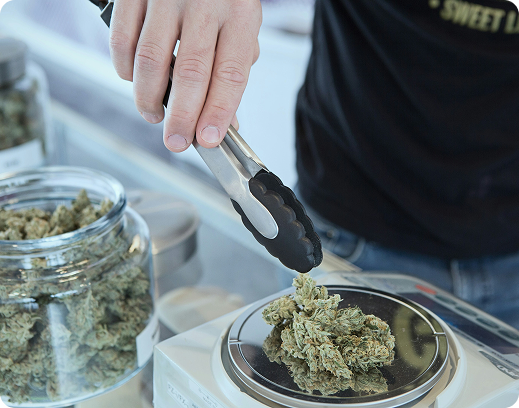
Managing cannabis inventory efficiently is the backbone of a successful dispensary. Dispensary owners must set up robust systems for intaking, storing, and tracking products.
- Secure Storage: Store inventory in a dedicated and secure area equipped with controlled access to prevent theft or tampering.
- Seed-to-Sale Systems: Use seed-to-sale tracking systems to ensure regulatory compliance and provide visibility into inventory at all times. Platforms like METRC (Marijuana Enforcement Tracking Reporting Compliance) are essential for both tracking and reporting.
- Proper Labeling: Ensure inventory is labeled correctly before storage. Each package should follow local laws and regulations, including product information and tracking IDs.
Packaging and Label Requirements
Compliance with state and local packaging laws isn’t just a suggestion—it’s a requirement, and ignoring it can result in hefty fines or even temporary closures.
To stay on the right side of regulations, businesses must ensure their packaging is child-resistant, designed to prevent easy access by children. Labels need to be clear and detailed, providing key information like potency, dosing instructions, and warnings to promote consumer safety and meet regulatory standards. Finally, consistency is crucial; whether you’re packaging flowers, edibles, or concentrates, all products must align with current regulations to avoid compliance issues.
Product Testing and Quality Control
Quality and safety should never be compromised. Customers expect dispensaries to deliver products that meet high safety and potency standards.
To achieve this, start by partnering with trusted third-party laboratories to ensure all products are thoroughly tested for potency, pesticides, and contaminants. Go a step further by establishing in-house quality standards that exceed compliance requirements, helping to streamline testing processes and ensure product consistency. Finally, maintain detailed records of all lab test results to build consumer trust while staying compliant with regulations.
Prioritizing these steps can help reinforce your commitment to delivering reliable, high-quality products.
Technology and POS Systems for a Cannabis Business
Cannabis Retail POS Systems
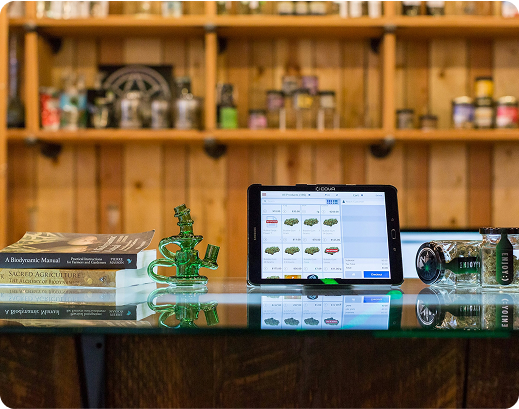
A dispensary’s point of sale (POS) system is a vital tool for tracking inventory, processing sales, and staying compliant with regulations.
Choosing a cannabis-specific POS is essential to meet the unique needs of dispensaries, including regulatory reporting requirements. To ensure seamless operations, your POS should integrate directly with your inventory management system. This reduces manual errors and makes tracking more efficient. Additionally, a good POS allows you to securely manage customer data, including purchase history and loyalty program details, which helps you deliver a better customer experience while keeping everything organized.
Network and Hardware Requirements
A strong IT infrastructure is essential for smooth operations alongside a cannabis-specific POS system.
Secure networks, including reliable servers and firewalls, are critical for protecting both customer and business data. Regular data backups are equally important because they serve as a safeguard against potential losses from cyberattacks or system failures. Additionally, investing in quality hardware, such as touchscreen monitors and receipt printers designed for retail cannabis environments, ensures seamless integration and efficiency.
Cannabis Tech Stack and Integration
Building a reliable tech stack means choosing the right software and ensuring everything in your system works together seamlessly.
Start by pairing your POS with a strong inventory management system, like LeafLogix, to stay on top of compliance. Add a CRM to track customer preferences, making it easier to deliver great service and create personalized marketing campaigns. Finally, integrate compliance software to automate regulatory filings and minimize legal risks, keeping your business protected and efficient.
Marketing and Promotion for a Cannabis Dispensary
The cannabis industry faces unique advertising restrictions, but there are still plenty of effective ways to reach your audience.
- Social Media Campaigns: Utilize platforms like Instagram and Facebook, but ensure posts comply with rules surrounding cannabis-related content.
- Email Marketing: Engage with your audience through well-designed email newsletters featuring promotions, product launches, and educational content.
- Local Advertising: Sponsor local events or advertise in cannabis-friendly publications to build visibility.
You can also utilize a data-driven content strategy to help identify which topics and content formats resonate with your audience the most. This helps you create effective marketing content that aligns with their preferences and fosters customer engagement.
Building a Customer Base
A loyal customer base is an invaluable asset for any dispensary, helping ensure consistent sales and long-term success.
To cultivate loyalty, focus on providing excellent service and offering personalized recommendations that enhance their experience. Implementing a loyalty program can also encourage repeat business by rewarding frequent purchases with discounts or special perks. Additionally, actively seeking and responding to customer feedback is essential for improving your products and services.
By prioritizing these strategies, you can turn curious visitors into dedicated, long-term customers while continuously refining your offerings to meet their needs.
Social Media and Online Presence
A strong online presence is essential for boosting awareness and building community. However, every social media website has a different audience and restrictions on what cannabis retailers can and cannot post. Here are some general social media tips that you can apply regardless of the platform you choose:
- Create Educational Content: Use your social media channels to share articles or videos about safe cannabis use, legality, and product features.
- Stick to a Reasonable Posting Schedule: Don’t over post or people will tune them out. You can use a post scheduler or a calendar.
- Engage with Followers: Respond promptly to comments and questions to build trust with potential customers.
- Optimize Local SEO: Optimize your website for local search terms like “best dispensary near me” to ensure visibility on Google.
- Partner with Influencers: As social media professionals, they understand how to work around social media guidelines and promote cannabis content.
Daily Dispensary Operations and Management
Daily Dispensary Operations and Management
A dispensary’s daily operations require meticulous attention to detail. Owners must develop a system for managing daily operations, including inventory management and customer service. One way to do this is through creating and implementing standard operating procedures (SOPs) which are protocols that guide your employees in executing their business tasks. These SOPs increase productivity, efficiency, and profitability in the long term while ensuring that your daily operations remain compliant with state regulations.
Here are some SOPs to think about creating:
- Opening and closing
- Customer check-in
- Sales transaction
- Delivery
- Security, accounting, and cash management
- Track-and-trace and inventory management
- Quality assessment
- Product recalls and emergencies
- Employee management
Customer Service and Relations for a Dispensary
Customer satisfaction is essential in an industry where trust is everything, which is why dispensary owners must focus on providing excellent, compliant customer service.
Start by ensuring your staff are well-trained, not only in product knowledge but also in understanding legal responsibilities, as this helps them better assist customers. When complaints arise, having clear protocols in place allows you to address issues swiftly and professionally, which maintains trust and credibility. Additionally, creating a friendly and inviting environment ensures that both first-time buyers and seasoned customers feel comfortable and valued every time they visit.
Financial Planning and Management
Estimating Opening Costs
Starting a dispensary requires a significant upfront investment ranging from $150,000 to $2 million depending on location and the size of your business. Other expenses include:
- Licenses and Permits: Licensing fees can range from $5,000 to $50,000, depending on your location.
- Setup and Real Estate Costs: These include location, facility construction, security systems, and initial inventory.
- Operational Expenses: Budget for staff salaries, software subscriptions, and advertising costs.
Ongoing Expenses and Financial Planning
Running a dispensary involves more than just selling products. It requires careful financial planning and execution. Properly and efficiently managing your cash flow ensures long-term sustainability.
- Track Regular Expenses: These include rent, utilities, and inventory restocking.
- Plan for Taxes: Cannabis businesses face higher tax rates due to regulations, so ensure that your tax planning is precise and proactive.
- Budget for Compliance Costs: Regular audits and licensing renewals should be factored into your financial plan.
- Cultivate Strong Supplier Relationships: Find trusted suppliers who offer quality products at competitive prices and are open to negotiating favorable terms such as volume discounts and extended payment terms.
Taxation and Financial Reporting
Navigating cannabis-specific tax laws requires diligence especially since different states may have different or additional cannabis-related taxation laws.
To stay compliant, make sure you’re prepared to manage sales tax, income tax, and employment tax obligations. Maintaining detailed records through proper bookkeeping and regular financial audits helps minimize penalties and keep your operations running smoothly. For complex reporting requirements, it’s worth considering the expertise of an experienced cannabis accountant to ensure everything is handled accurately and efficiently.

Dispensary Launch and Growth
Once your dispensary is operational, you’ll need to focus on building a loyal customer base and optimizing your offerings to drive sustained growth. Consider these key strategies:
- Customer Experience: Train staff to provide detailed product education and offer loyalty perks.
- Product Diversification: Expand your catalog with items like pre-rolls, edibles, concentrates, and CBD oils.
- Data-Driven Decisions: Leverage advanced POS systems to track customer preferences and optimize inventory.
- Local Partnerships: Collaborate with growers and local brands to enhance your offerings and community presence.
Expanding Your Dispensary Operations
Expanding your dispensary operations opens up many avenues for growth—whether by launching new locations in promising markets, adding delivery services to reach more customers, or introducing private-label products and experiential offerings like cannabis lounges and educational workshops. No matter which direction you choose, strict adherence to regulations is essential, so partnering with industry experts can help navigate compliance challenges.
Additionally, securing the right insurance—covering general, product, and property liability—is key to protecting your initial investment even as you scale your business.















Take Your First Step Toward Success
Opening a dispensary can be incredibly rewarding, but it’s no small feat. From sourcing the right inventory to building a robust tech stack and finding the right customer base, success requires careful planning and adherence to state and local regulations.
If you’re ready to take the challenge head-on, don’t go at it alone. Reach out to industry specialists, surround yourself with knowledgeable partners, and ensure compliance every step of the way. With a clear plan and a passion for quality, your dispensary can thrive in this competitive industry.